Gift-giving has long been recognized as one of the most meaningful ways to express appreciation, encouragement, and compassion. Across different cultures and traditions, exchanging gifts represents more than the transfer of physical objects—it symbolizes thoughtfulness, gratitude, and the desire to strengthen relationships. Whether during holidays, celebrations, or moments of personal hardship, a simple gift often carries emotional significance that extends far beyond its material value.
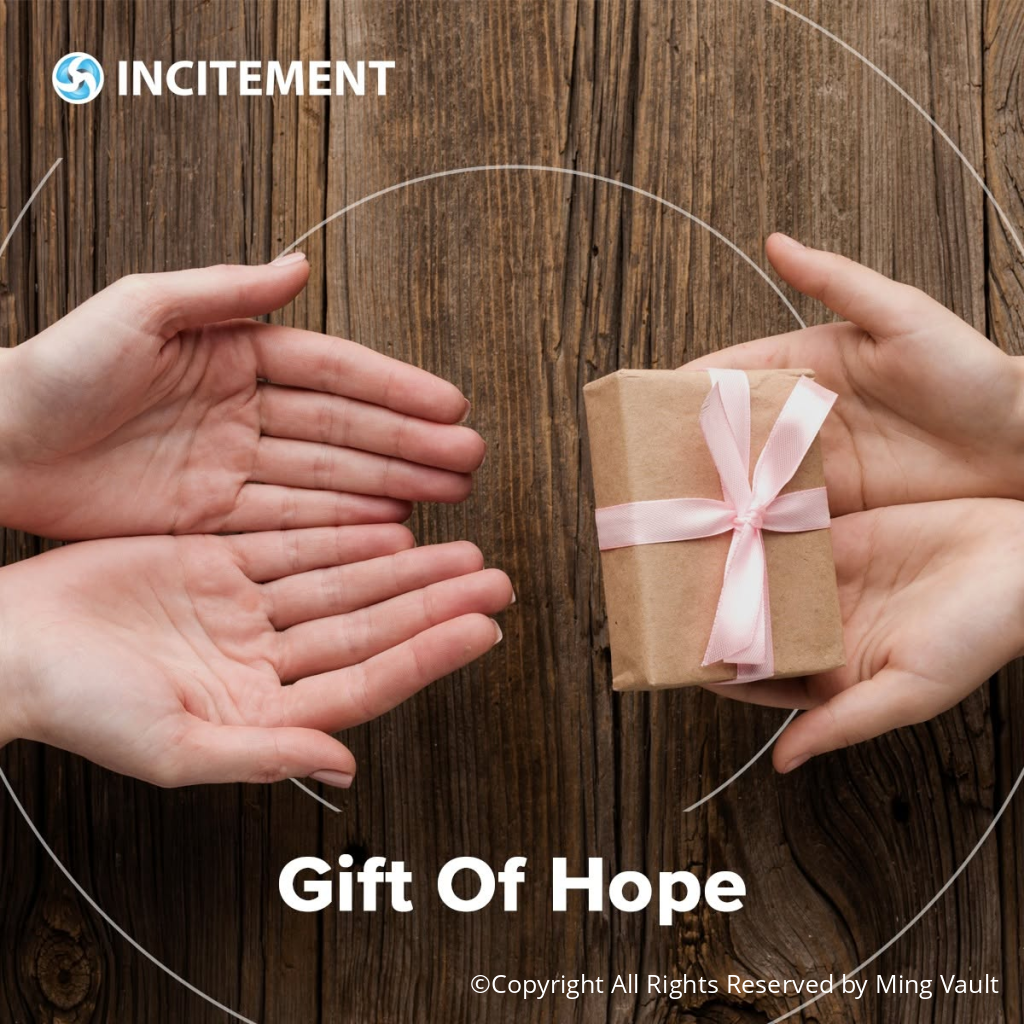
The image illustrates this idea through the exchange of a modestly wrapped package between two individuals. Rather than focusing on luxury or extravagance, the visual emphasizes the act of giving itself. Open hands reaching toward one another reflect trust, generosity, and the willingness to share something meaningful, reinforcing the message that kindness is often measured by intention rather than cost.
Communities around the world frequently organize gift donation initiatives to support individuals and families facing financial or personal challenges. Seasonal charity drives, school supply campaigns, food packages, and care kits are examples of how collective generosity can improve lives. These programs demonstrate that even modest contributions become powerful when many people participate toward a common goal.
Beyond charitable efforts, gifts also play an important role in everyday relationships. A thoughtful present can celebrate achievements, offer comfort during difficult times, or simply remind someone that they are valued. Such gestures strengthen emotional connections between family members, friends, colleagues, and neighbors, helping to build trust and mutual appreciation over time.
Businesses and nonprofit organizations increasingly incorporate giving campaigns into their community engagement strategies. Corporate donation programs, employee volunteer initiatives, and customer-supported fundraising projects allow organizations to contribute to meaningful causes while encouraging broader public participation. These initiatives often reinforce positive social values while strengthening relationships with local communities.
Digital technology has also transformed how generosity is expressed. Online fundraising platforms, electronic gift cards, charitable crowdfunding campaigns, and social media awareness projects enable people to support meaningful causes regardless of geographical distance. These digital tools have expanded opportunities for individuals to participate in acts of giving with greater convenience and wider reach.
Psychological research has frequently associated generosity with positive emotional outcomes. Individuals who engage in acts of kindness often report increased feelings of happiness, gratitude, and purpose. While recipients benefit directly from the support they receive, those who give also experience a stronger sense of fulfillment and social connection, highlighting the reciprocal nature of generosity.
The phrase “Gift Of Hope” reflects an idea that extends beyond physical presents. Hope may come in the form of encouragement, opportunity, compassion, or simply knowing that someone cares. During periods of uncertainty or challenge, these expressions of support can have a lasting influence, inspiring resilience and reinforcing the importance of human connection.
Ultimately, the exchange depicted in this image reminds us that meaningful gifts are defined not by their size or value but by the intention behind them. Every thoughtful gesture, whether large or small, has the potential to brighten someone’s day, strengthen relationships, and contribute to a more compassionate community. In this way, a simple gift can truly become a lasting symbol of hope.
©2020 Copyright All Rights Reserved by Ming Vault