Food assistance programs continue to play a crucial role in supporting vulnerable communities around the world. Rising living costs, economic uncertainty, natural disasters, and other social challenges have increased the demand for emergency food support in many regions. Community-driven initiatives help bridge this gap by ensuring that individuals and families have access to essential groceries while longer-term solutions are developed.
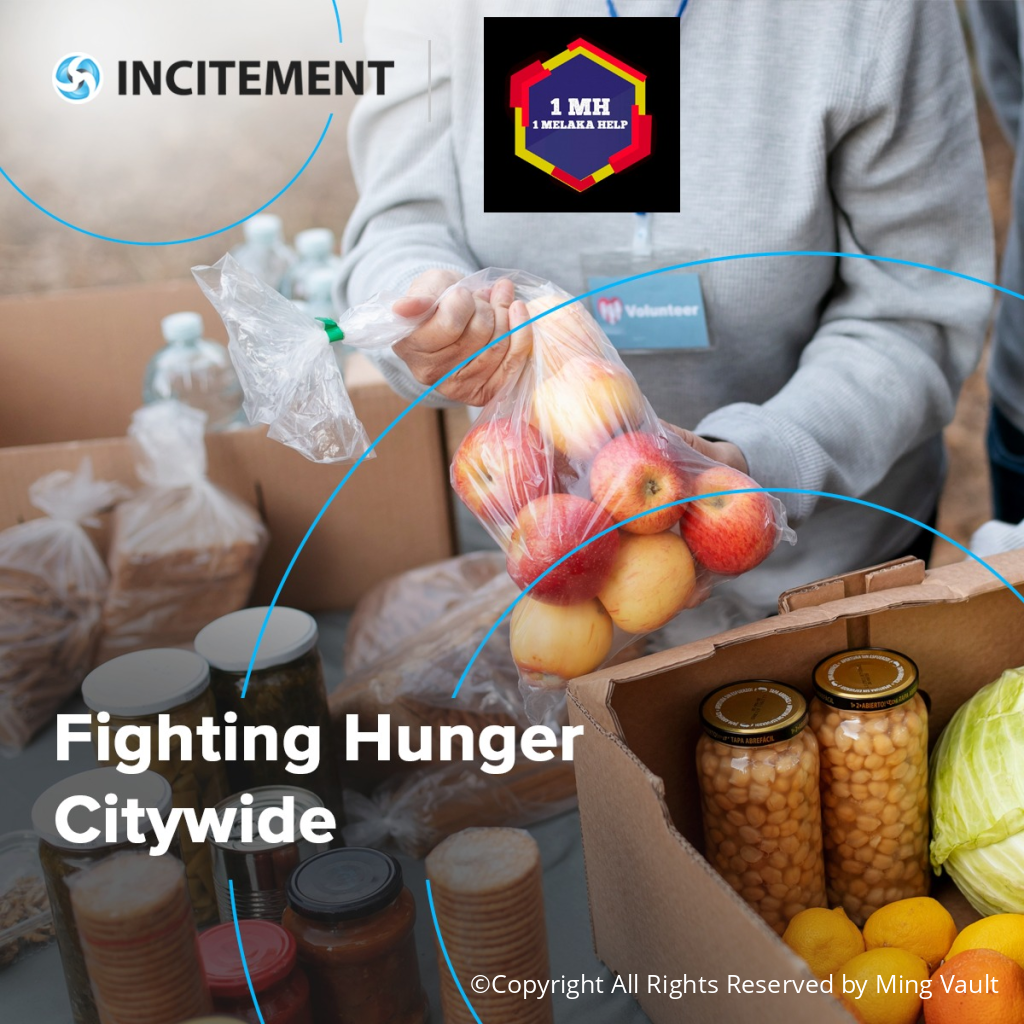
The image illustrates a volunteer carefully preparing and distributing fresh produce together with packaged food items. Fresh fruits, vegetables, preserved foods, and pantry staples are commonly included in community food packages because they provide both immediate nourishment and practical household value. Organizing balanced food distributions helps maximize the nutritional benefit for recipients while making efficient use of donated resources.
Volunteers remain at the heart of many hunger relief initiatives. Their contributions extend beyond packing and distributing food, often including warehouse organization, transportation, donation collection, inventory management, and direct engagement with community members. Through their dedication, local food assistance programs are able to reach more households while responding quickly to changing community needs.
Modern food banks and charitable organizations increasingly rely on partnerships with supermarkets, local farms, manufacturers, restaurants, and individual donors. By recovering surplus food that would otherwise go unused, these collaborations reduce food waste while redirecting valuable resources toward people experiencing food insecurity. This approach benefits both communities and broader sustainability efforts.
Technology has also transformed the way hunger relief programs operate. Digital donation platforms, volunteer scheduling systems, inventory management software, and online fundraising campaigns allow organizations to coordinate resources more efficiently and respond more effectively during periods of increased demand. These innovations improve transparency while helping charities maximize the impact of every donation received.
Beyond providing food, many community organizations also offer complementary support services. Nutrition education, employment assistance, financial counseling, and connections to healthcare or social services help address some of the underlying challenges associated with food insecurity. Combining emergency relief with long-term support contributes to stronger and more resilient communities.
Public awareness campaigns remain an essential part of encouraging community participation. Images such as this one remind audiences that hunger can affect people from many different backgrounds and that collective action can produce meaningful results. Whether through financial contributions, food donations, or volunteer service, individuals can play an active role in supporting local hunger relief initiatives.
Corporate social responsibility programs have further strengthened food assistance efforts in recent years. Businesses increasingly organize employee volunteer days, sponsor food drives, contribute logistics support, or partner with nonprofit organizations to expand community outreach. These collaborations demonstrate how the private sector can contribute positively to addressing important social challenges.
Ultimately, the message “Fighting Hunger Citywide” reflects the shared responsibility of communities working together to reduce food insecurity. Through volunteer commitment, charitable partnerships, efficient resource management, and public participation, food assistance programs continue to provide hope and practical support for individuals and families in need while fostering stronger, more compassionate communities.
©2020 Copyright All Rights Reserved by Ming Vault