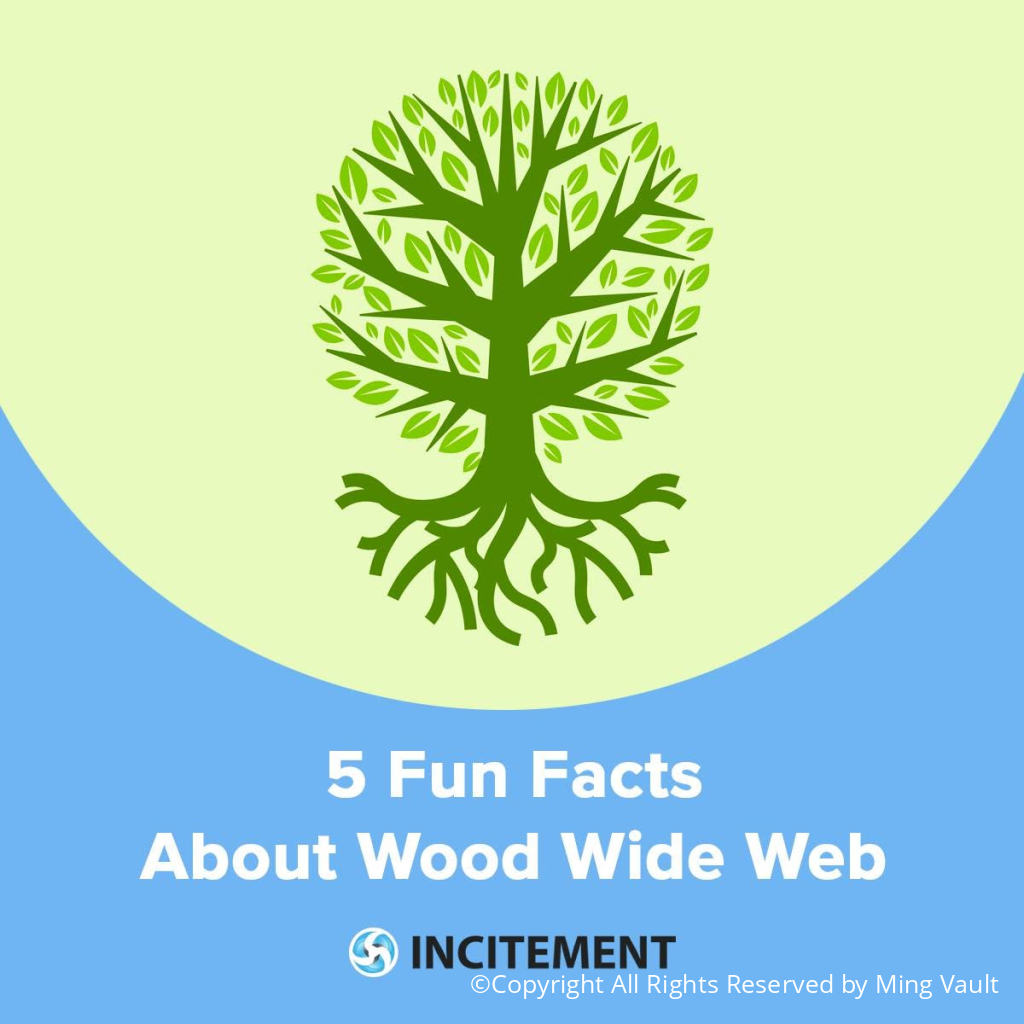
Forests are often viewed as collections of individual trees, but scientific research has revealed that many woodland ecosystems are far more interconnected than they appear. Beneath the forest floor lies a vast network of fungal threads known as mycorrhizal fungi, linking the roots of different plants in what researchers commonly refer to as the “Wood Wide Web.” This underground system has become one of the most fascinating discoveries in modern ecology, offering new insights into how forests function as complex, cooperative communities.
The term Wood Wide Web describes the symbiotic relationship between fungi and plant roots. The fungi extend thin, thread-like structures throughout the soil, dramatically increasing the area from which trees can absorb water and nutrients. In return, trees provide the fungi with carbohydrates produced through photosynthesis. This mutually beneficial partnership has existed for millions of years and supports the health of many terrestrial ecosystems.
One of the most intriguing aspects of this underground network is its ability to facilitate resource sharing. Studies suggest that larger, well-established trees may transfer nutrients such as carbon, nitrogen, and phosphorus to younger seedlings or neighboring plants through these fungal connections. Although the extent and purpose of these exchanges continue to be studied, they demonstrate the remarkable level of interaction occurring beneath the forest floor.
The Wood Wide Web also appears to play a role in plant communication. When a tree experiences environmental stress, such as insect attacks or disease, chemical signals may travel through the fungal network to nearby plants. Receiving trees can respond by activating defensive mechanisms before facing the same threat, improving their chances of survival. While scientists continue investigating these processes, the evidence highlights the sophisticated relationships that exist within natural ecosystems.
This underground connectivity contributes to overall forest resilience. Healthy fungal networks improve nutrient cycling, enhance soil structure, and support biodiversity by linking multiple plant species together. These ecological benefits help forests recover from environmental disturbances while promoting long-term ecosystem stability. Conserving soil health therefore becomes just as important as protecting the trees themselves.
The discovery of these hidden networks has influenced forest management and conservation strategies worldwide. Researchers increasingly recognize that preserving mature forests involves protecting not only visible vegetation but also the intricate biological communities beneath the ground. Activities that severely disturb soil or damage fungal populations may affect forest regeneration and long-term ecological balance.
Public interest in the Wood Wide Web has also grown through educational media, documentaries, and environmental awareness campaigns. The concept captures people’s imagination by revealing that forests operate as dynamic ecosystems rather than isolated collections of trees. This perspective encourages greater appreciation for biodiversity and the complex natural processes that sustain life on Earth.
As climate change and habitat loss continue to challenge ecosystems globally, understanding underground ecological networks becomes increasingly valuable. Ongoing scientific research may provide new insights into forest restoration, sustainable land management, and biodiversity conservation by revealing how these natural partnerships contribute to environmental resilience.
Ultimately, the Wood Wide Web serves as a powerful reminder that nature is built upon countless interconnected relationships. Hidden beneath every healthy forest lies an extraordinary network supporting communication, resource exchange, and ecological balance—demonstrating that even the most familiar landscapes still hold remarkable scientific discoveries waiting to be understood.
©2020 Copyright All Rights Reserved by Ming Vault