Vehicle customization has expanded far beyond exterior styling, with electronic control systems becoming an increasingly important aspect of modern aftermarket modifications. Enthusiasts and professional installers now incorporate programmable control units that allow multiple electrical accessories to be managed from a single interface. These systems improve convenience while providing users with greater flexibility in operating specialized equipment.
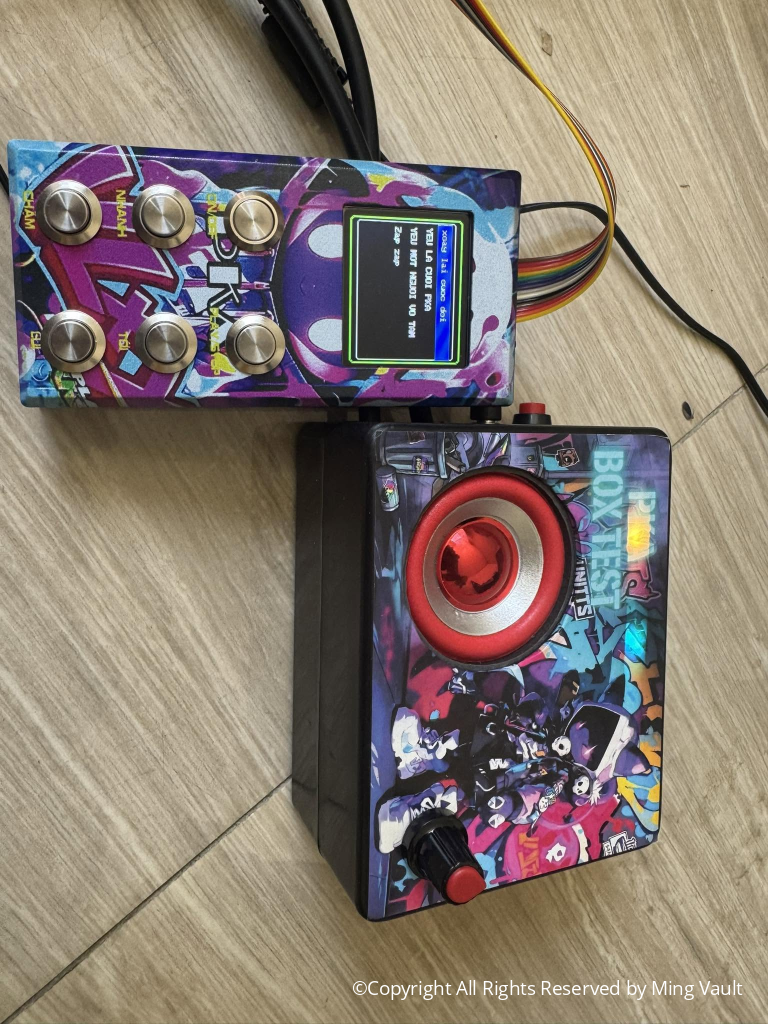
The device shown in the image combines several hardware elements into one integrated control solution. Multiple push buttons, a digital display, an illuminated activation switch, and external wiring suggest that the controller is designed to manage different functions through a centralized operating panel. Digital displays also provide users with status information, menu navigation, and configuration options that simplify operation compared to traditional mechanical switches.
Programmable controllers have become popular because they can support multiple operating modes within a compact design. Depending on their intended purpose, users may configure preset functions, adjust operating sequences, or customize activation patterns for connected accessories. This level of flexibility makes programmable controllers suitable for a wide variety of specialized projects requiring coordinated electronic control.
As aftermarket electronics continue to evolve, user interface design has become an important consideration. Clearly labeled buttons, responsive controls, readable displays, and intuitive menu systems contribute to safer and more efficient operation. Well-designed interfaces reduce operating complexity while allowing users to quickly access different functions when needed.
Personalized aesthetics have also become a defining feature of many custom electronic products. Decorative printed panels, colorful graphics, illuminated buttons, and customized enclosures allow builders to match electronic equipment with the overall visual style of a vehicle or project. This combination of functionality and appearance reflects the growing demand for products that are both practical and visually distinctive.
Advances in microcontrollers and embedded electronics have enabled manufacturers and hobbyists to create increasingly sophisticated control systems. Compact processors, programmable firmware, digital displays, and modular wiring solutions make it possible to integrate multiple electrical functions into relatively small control units while maintaining reliable performance and efficient power management.
Before installing customized electronic equipment, careful attention should be given to electrical compatibility, wiring quality, circuit protection, and installation standards. Proper cable management, appropriate fusing, secure mounting, and compliance with applicable electrical safety practices help ensure reliable long-term operation while minimizing potential risks associated with aftermarket modifications.
Online communities and digital marketplaces have further accelerated innovation within the custom electronics sector. Builders frequently share installation guides, programming tutorials, design concepts, and product reviews that help enthusiasts improve their projects while encouraging collaboration across the global maker community. This exchange of knowledge continues to drive new ideas and technical improvements.
Overall, the custom electronic control system presented in the image demonstrates the growing role of programmable electronics in modern vehicle and equipment customization. By combining digital control, personalized design, and flexible functionality, these systems provide users with greater control over specialized electrical accessories while reflecting the continuing evolution of aftermarket technology.
©2020 Copyright All Rights Reserved by Ming Vault